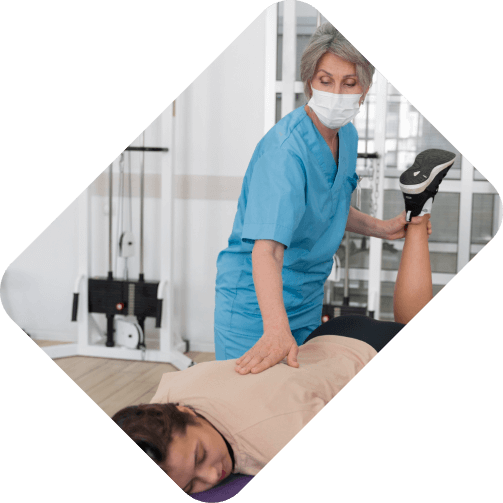


Pregnancy is a beautiful journey, but it also brings many physical and emotional changes to a woman’s body. From back pain to fatigue, swelling, and posture-related issues, expectant mothers often face challenges that can affect daily comfort. This is where antenatal physiotherapy plays a vital role in promoting a healthy and pain-free pregnancy.
Antenatal physiotherapy focuses on safe exercises, posture correction, breathing techniques, and relaxation methods tailored to the needs of pregnant women. It helps reduce common discomforts such as lower back pain, pelvic pain, leg cramps, and swelling. Physiotherapists also guide mothers on proper body mechanics, which reduces strain while walking, sitting, or sleeping.
Regular physiotherapy during pregnancy not only improves flexibility and muscle strength but also prepares the body for labor and delivery. Breathing and relaxation exercises taught during sessions help in pain management and maintaining calmness during childbirth. Furthermore, antenatal physiotherapy promotes better circulation, prevents excess weight gain-related problems, and supports mental well-being by reducing stress and anxiety.
Another key benefit is the strengthening of pelvic floor muscles. This improves bladder control during pregnancy and helps in faster recovery after delivery. Guided stretches and mobility exercises also lower the risk of complications like diastasis recti (abdominal muscle separation).
It’s important to remember that physiotherapy during pregnancy should always be performed under professional guidance. Every woman’s body is different, and a physiotherapist ensures that exercises are customized to suit individual health conditions and pregnancy stages.
In conclusion, antenatal physiotherapy is not just about exercise—it’s about enhancing comfort, confidence, and overall well-being during this transformative phase of life. By including physiotherapy in their prenatal care, mothers can enjoy a healthier pregnancy and be better prepared for labor and postnatal recovery.