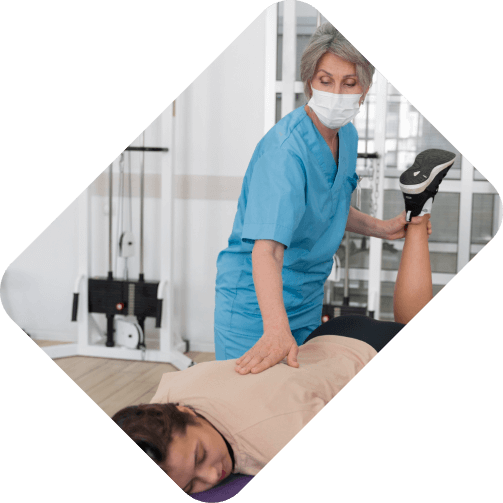

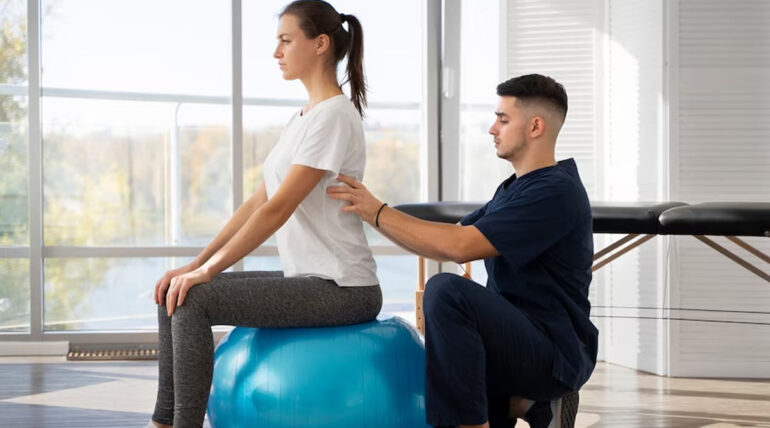
Women’s bodies undergo constant changes throughout life, from adolescence to pregnancy, postpartum, and eventually menopause. Each stage brings unique health challenges, many of which are physical in nature and can impact mobility, strength, and overall quality of life. While some of these issues are temporary, others can become chronic if left unaddressed. Unfortunately, many women normalize conditions like back pain, urinary leakage, or joint stiffness, assuming they are inevitable parts of aging or motherhood. In reality, these problems can be effectively managed and even prevented through physiotherapy. Physiotherapy is a holistic, non-invasive approach that uses movement, exercise, manual therapy, and education to restore function, reduce pain, and improve long-term health. From osteoporosis to arthritis, pelvic floor dysfunction, and post-cancer recovery, physiotherapy provides women with tools to take control of their health naturally.
One of the most common issues women face, especially after menopause, is osteoporosis. This condition causes bones to become weak and brittle due to hormonal changes, making women more prone to fractures, particularly in the hips, spine, and wrists. Physiotherapy plays a crucial role in osteoporosis management by focusing on weight-bearing exercises, resistance training, and balance improvement. These exercises stimulate bone density, reduce the risk of falls, and enhance overall mobility. A physiotherapist also teaches women safe ways to move and lift, preventing accidental injuries in daily life. Unlike medication alone, physiotherapy provides practical, long-lasting solutions that strengthen the body from within and encourage independence even in older age.
Arthritis is another widespread condition that affects women, particularly in the knees, hips, and hands. Joint stiffness, swelling, and pain can make even simple tasks like walking, climbing stairs, or cooking extremely difficult. While arthritis has no cure, physiotherapy helps manage symptoms effectively. Through customized exercise routines, women can improve flexibility, strengthen muscles surrounding the joints, and reduce stiffness. Manual therapy techniques, such as soft tissue mobilization and heat therapy, further relieve pain and promote relaxation. Physiotherapists also guide women in joint protection techniques, teaching them how to use supportive devices or modify daily movements to reduce strain. This combination of exercise and education allows women with arthritis to maintain independence and remain active, significantly improving quality of life.
Pelvic floor disorders are another major concern in women’s health. Issues like urinary incontinence, pelvic organ prolapse, and chronic pelvic pain are often linked to pregnancy, childbirth, or hormonal changes during menopause. While these conditions can be embarrassing and affect self-confidence, physiotherapy offers highly effective solutions. Pelvic floor physiotherapists use targeted exercises to strengthen and coordinate the muscles that support the bladder, uterus, and bowel. This helps restore control, reduce leakage, and ease discomfort. Biofeedback, relaxation training, and posture correction are also used to retrain the pelvic muscles. By addressing these issues early with physiotherapy, women can avoid surgeries and regain comfort in daily life.
Another important area where physiotherapy makes a difference is breast cancer recovery. After surgery, chemotherapy, or radiation, many women experience stiffness in the shoulders, swelling in the arms due to lymphedema, and fatigue. Physiotherapy provides safe and progressive exercises that restore arm mobility, reduce swelling, and rebuild overall strength. Gentle stretching, breathing techniques, and lymphatic drainage therapy are commonly used to support healing. Beyond the physical benefits, physiotherapy also boosts confidence, reduces anxiety, and helps women return to their normal routines after a physically and emotionally exhausting journey with cancer treatment.
Chronic back pain is another problem that affects women across all age groups, whether from long working hours, sedentary lifestyles, pregnancy, or postural imbalances. Physiotherapy addresses the root causes of back pain through strengthening exercises for the core, postural training, ergonomic education, and manual therapy. Women are taught correct sitting, standing, and lifting techniques that reduce strain on the spine. Unlike painkillers, which only mask symptoms, physiotherapy provides long-term relief by targeting the underlying weaknesses and imbalances that cause pain. This makes it an ideal approach for women who want to stay active without relying on constant medication.
Sports injuries are also increasingly common among women, as more are engaging in athletics and fitness activities. Physiotherapy helps not only in rehabilitation after injuries like sprains, ligament tears, or fractures but also in injury prevention. Strengthening, flexibility, and balance training are designed to improve performance while reducing the risk of recurrence. For women in physically demanding careers or athletes, physiotherapy ensures they can perform at their best while safeguarding their long-term health.
A unique aspect of physiotherapy is that it does not treat just one condition—it addresses the entire person. Women often juggle multiple roles at home and work, which can lead to stress and physical strain. Physiotherapy provides education on lifestyle changes, relaxation techniques, and safe exercises that fit into daily routines. It empowers women to take an active role in their health rather than depending solely on external treatments. Moreover, physiotherapy adapts to each stage of life, offering preventive care during youth, support during pregnancy and motherhood, and rehabilitation during older age.